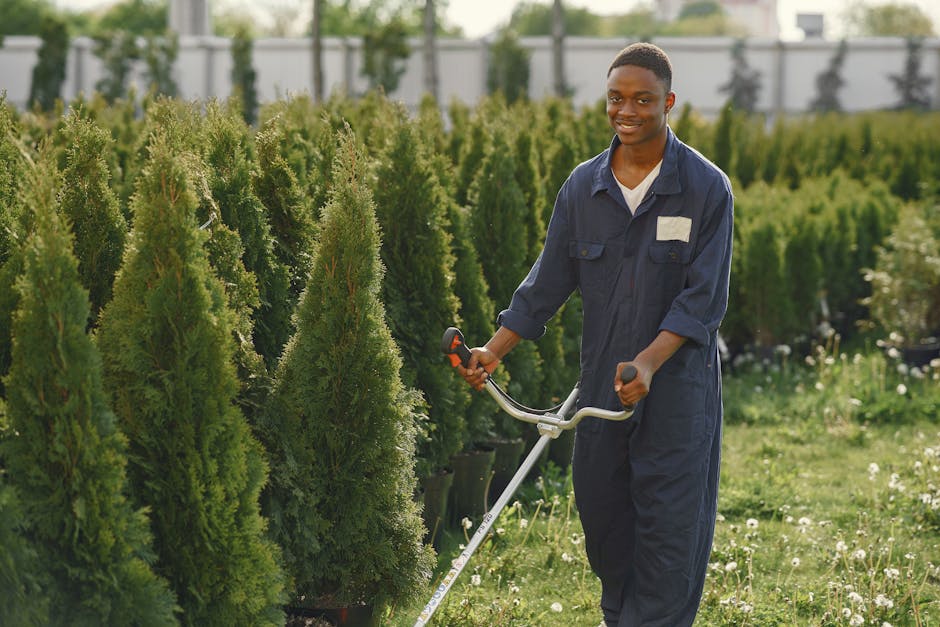
What to know about tight access garden jobs in Carshalton
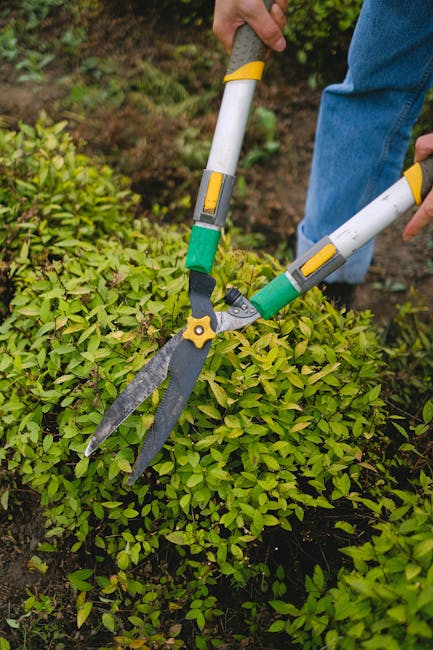
If you are dealing with a narrow side passage, a back garden with no direct vehicle access, or a space that feels like it was designed by someone who hated wheelbarrows, you are not alone. What to know about tight access garden jobs in Carshalton is mostly about planning well, using the right tools, and understanding what can realistically be done when access is awkward. In practical terms, these jobs often need a slower, smarter approach than standard garden work, especially when materials, waste, and equipment all have to be moved by hand.
That does not mean the job is a problem. Far from it. It just means the garden needs a bit more thought before anyone starts cutting, clearing, digging, or removing anything. This guide explains how tight access work is handled, why it matters, what usually goes wrong, and how to prepare your property so the work runs smoothly. If you want the straightforward version: good access planning saves time, reduces damage, and makes the end result better.
Why tight access garden jobs in Carshalton matter
Carshalton has plenty of homes where the garden is not especially generous at the access points. Side gates can be narrow, rear entries can be shared, and some older properties have layouts that make moving materials a bit of a shuffle. That matters because garden work is not just about the plants. It is also about how safely and efficiently a team can get tools in, move waste out, and protect the property while doing it.
With restricted access, even a simple job like hedge trimming or lawn care can take more coordination than usual. A garden clearance can become a much bigger operation if branches, clippings, old soil, or broken materials need to be moved in small loads. Truth be told, this is where rushed planning causes headaches. A little pressure on a fence panel, one awkward turn with a loaded barrow, and suddenly a small job is not so small.
There is also a comfort factor for the homeowner. Tight access work often means more noise close to the house, more footsteps through side passages, and more time on site. If that is handled well, no issue. If it is not, the whole experience feels messy. That is why good providers look beyond the task itself and think about route, protection, timing, and waste handling from the start.
Expert summary: Tight access garden work is less about brute force and more about careful sequencing. The best results usually come from clear planning, realistic time allowances, and the right equipment for the route available.
How tight access garden work works
At its core, a tight access job follows the same logic as any other garden project: assess the site, plan the work, carry it out safely, and remove waste responsibly. The difference is in the detail. Every movement has to be considered. Will a mower fit through the gate? Can a hedge trimmer be carried without snagging? Is there room to turn a wheelbarrow? Can branches be stacked without blocking the path?
The first step is usually a quick site review. In a live visit, or sometimes from photos, the practical constraints become obvious quite quickly. Small gates, low arches, stepped routes, steep paths, poor lighting, soft ground after rain, or delicate paving can all affect the method. You would be surprised how often the garden is perfectly manageable once the route is understood.
After that, the work is broken down into manageable stages. A lawn may be mown in sections rather than with a larger machine. Hedging may be cut from a stable standing position rather than from a ladder-heavy setup. Clearance may be done in bags or smaller bundles. For larger projects, the waste may need to be moved in several passes instead of one sweep. It sounds slower, and it can be, but slower is sometimes the sensible option.
For related work, many homeowners also look at garden maintenance or garden clearance, especially where a tight route affects how the whole job is organised. Those services are often easiest to manage when the team knows the access limitations before the first tool comes out.
Key benefits and practical advantages
Although tight access sounds like a limitation, it can actually lead to better outcomes when the job is handled properly. Why? Because careful access planning tends to improve the whole process. People slow down, think ahead, and avoid the kind of shortcuts that cause damage.
- Less chance of damage: narrow routes need protection, so walls, gates, paving, and plants are treated with more care.
- Cleaner finish: smaller, controlled movements often mean less mess left behind.
- Better handling of waste: green waste can be bagged, sorted, and removed in a tidy sequence.
- More realistic scheduling: once the access route is understood, the job can be timed properly instead of guessed.
- Safer working conditions: fewer awkward lifts and less rushing reduces the chance of slips, trips, and strain.
There is a simple side benefit too: the homeowner gets a more honest picture of what is involved. That sounds small, but it matters. A quote based on assumptions can turn into a frustrating day. A quote based on the actual access conditions tends to be much smoother. If you have ever tried to carry a full bucket through a side return while avoiding a rose bush and a loose paving slab, you will know exactly what I mean.
For people planning a refresh rather than a one-off tidy, the benefits often show up most clearly when combined with lawn mowing or wider landscaping work. The access route influences the whole design, not just the clean-up.
Who this is for and when it makes sense
Tight access garden jobs are common for homeowners, landlords, letting agents, and property managers. They make particular sense when the garden sits behind a terraced house, has no driveway access, or includes a narrow side entrance that limits machine use.
It also comes up for people who only need occasional help, not a full redesign. Maybe the hedge has grown into the path. Maybe the lawn is getting patchy and the mower you own is too bulky to get through. Maybe tree branches need removing from a garden where the only route is a thin passage and a few steps. Small access problem, yes. But the knock-on effect can be real.
Here are some common situations where the service is genuinely useful:
- overgrown back gardens with limited entry
- properties with shared access or communal side passages
- gardens with delicate paving or narrow stepping routes
- homes where waste needs to be carried through the house or along constrained paths
- jobs involving bulky cuttings, old timber, or stubborn debris
If the garden also needs structural changes, it may sit alongside landscape gardening or even tree lopping and removal. In those cases, access considerations become even more important because the size and weight of materials can quickly increase.
Step-by-step guidance
If you are preparing for a tight access garden job, the easiest way to think about it is in stages. Nothing fancy. Just sensible steps that reduce surprises.
- Measure the access properly. Not roughly. Properly. Check gate widths, passage widths, door clearances, steps, slopes, and any corners where equipment may catch.
- Identify the job type. Is it mowing, trimming, clearing, digging, or a mix? Different tasks need different tools and waste handling.
- Look for site risks. Watch for uneven paving, low cables, slippery moss, fragile edging, pets, nearby windows, or water features.
- Plan the route. Decide where tools come in, where waste is stacked, and how it leaves the property. A good route avoids needless backtracking.
- Protect vulnerable areas. Use boards, mats, or careful lifting where needed to reduce scuffs and impact.
- Choose the right equipment. Compact tools, hand tools, foldable barrows, and manageable bags often work better than larger kit.
- Schedule waste removal realistically. A tight access garden often creates more small movements, so waste collection can take longer than people expect.
- Do a final sweep. Check for loose trimmings, soil spill, damaged edging, and anything that may have been missed in a narrow route.
A small detail that matters: if the garden is damp in the morning, wait and reassess. Wet steps and narrow paths turn an awkward job into a risky one pretty quickly. Not dramatic. Just true.
Expert tips for better results
Most of the time, the best advice is simple: make the job easier before anyone starts. A tidy access route can save a surprising amount of effort. Open gates fully. Move bins, bikes, and garden furniture. Unlock side entrances. If there is a fragile pot or a loose slab, flag it up early. It helps more than people think.
Another good habit is to group tasks sensibly. For example, if you need hedge trimming and clearance, it usually makes sense to trim first and clear second, so clippings do not end up being moved twice. Seems obvious, but in a cramped space, people sometimes do the reverse and create more work for themselves.
Some practical tips that often make a real difference:
- Use smaller loads instead of overfilling bags or barrows.
- Keep the route as straight as possible, especially around corners.
- Protect paintwork and paving where equipment might brush past.
- Use hand tools where a larger machine would be awkward or unsafe.
- Allow extra time for waste removal, especially after cutting back dense growth.
- Ask about insurance and safety practices before work begins.
That last point matters more than people often realise. If a job has tight access, the risk is not only to the garden. It is to the property, the workers, and sometimes neighbouring spaces too. For peace of mind, many homeowners like to check a provider's insurance and safety approach before agreeing to anything.
And yes, sometimes the best tool is patience. Not glamorous, I know.
Common mistakes to avoid
There are a few recurring mistakes that show up again and again on awkward-access jobs. The first is underestimating the access problem. A gate may look fine from the front, but if there is a sharp turn, a low step, or an uneven slab halfway down, the actual route can be much trickier than it first appears.
The second mistake is assuming standard equipment will do the job. Sometimes it will. Often it will not. Trying to force oversized machinery through a tight route can create delays and damage. There is no badge for making it harder than it needs to be.
Other mistakes worth avoiding:
- not measuring the narrowest point of access
- forgetting to clear the route before work starts
- loading waste too heavily for the passage available
- ignoring wet ground or slippery steps
- failing to discuss where waste will be stored temporarily
- not allowing time for careful handling around fences and walls
There is also a communication issue that crops up quite a lot: the homeowner says, "It's a bit tight, but you'll be fine," and the job arrives on site with a machine that is definitely not fine. Better to be very specific. A photo helps. A quick video helps more. Being clear saves everyone a headache.
Tools, resources and recommendations
The right tools for tight access work are usually compact, flexible, and easy to carry. You do not always need the biggest or most powerful option. In fact, smaller equipment often wins because it moves more cleanly through the site and causes less disruption.
| Task | Best-fit approach | Why it suits tight access |
|---|---|---|
| Lawn care | Compact mower or hand tools | Easier to carry, turn, and control on narrow routes |
| Hedge trimming | Lightweight trimmers and careful staging | Reduces strain and helps avoid snagging on fences or walls |
| Garden clearance | Smaller bags, manageable bundles, repeated runs | Safer when waste has to pass through a tight passage |
| Tree waste | Sectional cutting and controlled removal | Prevents oversized loads from blocking access |
| Surface protection | Boards, mats, careful foot placement | Helps protect paving, decking, and threshold edges |
For jobs that involve timber, raised areas, or harder landscaping features, the work can overlap with decking services or broader services overview planning. That is especially useful if access also affects how new materials are delivered.
From a homeowner perspective, the most useful "resource" is often not a tool at all. It is a clear description of the site. A couple of good photos in daylight, a note about gate width, and a quick mention of shared access can save a lot of back-and-forth. Simple, but effective.
Law, compliance, standards or best practice
For most domestic garden jobs in Carshalton, there is no special legal framework unique to tight access work. But that does not mean standards do not matter. Good practice still matters a great deal, particularly where a contractor is moving equipment, handling waste, or working near structures and neighbouring properties.
In practical terms, sensible compliance usually includes:
- safe manual handling: avoiding loads that are too heavy or awkward for one person
- site risk awareness: checking for slips, trips, and pinch points
- property protection: taking reasonable care around paving, walls, doors, fencing, and planting
- insurance awareness: confirming that work is covered appropriately
- waste responsibility: ensuring green waste is handled and disposed of in a sensible way
Where a job includes tree work, greater caution is needed because branches, cut sections, and tools can create more risk in confined spaces. In those cases, asking about health and safety policy and the provider's general safety process is a sensible move, not an overreaction. Better safe than sorry, as people say for a reason.
For customers, best practice is just as important. Clear access, honest descriptions, and advance warning about fragile surfaces or hidden hazards all help the job run better. If there is a dispute or something goes wrong, knowing the provider's complaints procedure and terms and conditions can also give useful clarity.
And for anyone concerned about data sharing during booking, a quick look at the site's privacy policy is a sensible part of due diligence. Nothing dramatic there, just good housekeeping.
Options, methods, or comparison table
Not every tight access garden job should be approached in the same way. The right method depends on the size of the task, how narrow the route is, and how much waste or material needs to move through the property.
| Method | Best for | Trade-offs |
|---|---|---|
| Hand-carry approach | Very narrow access, light waste, delicate sites | Slower, but often safest and most controlled |
| Compact tool setup | Small to medium gardens with limited access | Good balance of efficiency and manoeuvrability |
| Sectional work plan | Dense growth, heavy cuttings, staged clearance | Requires more time but avoids bottlenecks |
| Mixed approach | Gardens with both open and restricted areas | Needs good judgement so tools are matched to each zone |
In many real jobs, the mixed approach wins. You might mow the open section with a compact machine, then switch to hand tools near the back corner, then clear clippings in smaller loads. That blend keeps the work efficient without forcing the garden to fit the equipment. Which is the wrong way round, really.
Case study or real-world example
Here is a typical example. A homeowner in Carshalton had a rear garden reached through a narrow side passage, with a sharp turn and a low gate latch that limited movement. The lawn itself was not huge, but the borders were overgrown, and a long hedge needed cutting back. Nothing extreme. Just awkward.
The work was planned in stages. First, the route was cleared of loose pots, a hosepipe, and a few paving obstructions. Second, the hedge was trimmed in sections so clippings did not build up near the passage. Third, the lawn was cut with a compact mower rather than a larger machine that would have been clumsy in the space. Finally, all waste was bagged in smaller loads and moved out gradually to keep the route open.
The important part was not speed. It was flow. By keeping the passage clear and working in a logical order, the job felt orderly rather than cramped. The homeowner got a tidy finish, the property stayed protected, and the whole thing avoided that slightly frazzled feeling people sometimes get when everyone is trying to pass each other with tools in hand.
That is the real lesson, I think. Tight access does not stop a good result. It just asks for better sequencing and a calmer approach.
Practical checklist
Before the work starts, it helps to run through a simple checklist. If you can answer these points clearly, the job is already in a better place.
- Have I measured the narrowest access points?
- Have I shared photos of gates, side passages, steps, and corners?
- Is the route free of bins, bikes, toys, and loose garden items?
- Do I know whether the job includes mowing, trimming, clearance, or all three?
- Are there fragile surfaces, soft ground, or slippery areas to watch for?
- Is there enough room to stack waste temporarily without blocking movement?
- Have I discussed insurance, safety, and waste handling expectations?
- Do I need related work such as maintenance, clearance, or hedge trimming?
- Have I allowed extra time in case the access route slows the job down?
- Am I clear on the next step if the scope changes once work begins?
If you have ticked most of those off, you are in good shape. If not, no panic. It just means a little more planning would help.
Get a free quote today and see how much you can save.
Conclusion
The main thing to know about tight access garden jobs in Carshalton is that they are entirely manageable when the route, the tools, and the sequence are thought through properly. These jobs are less about brute force and more about respect for the space. Narrow passages, awkward turns, and small access points can all be worked around, but only if the planning is honest from the start.
Whether the task is a simple tidy-up, a seasonal cut-back, or a larger clearance, the right approach keeps the garden safe and the process calm. And that calm matters. It leaves less mess, less stress, and usually a better finish. Not a bad trade, really.
When a garden is tricky, the best result often comes from patience, clarity, and the kind of practical care that shows up in the details. That is usually where the difference is made.
Frequently Asked Questions
What counts as a tight access garden job?
It is any garden task where the route in or out is narrow, awkward, or restricted enough to affect how tools, people, and waste can move through the property. That could mean a slim side gate, shared access, steps, or a confined rear passage.
Can mowing still be done if the garden has very narrow access?
Often, yes. The key is whether a compact mower or hand tools can get through safely. In some gardens, the grass is cut in sections, and the equipment is chosen around the route rather than the other way round.
Are tight access jobs more expensive?
They can be, because they often take longer and require more labour, smaller loads, or extra care. That said, the real answer depends on the size of the garden, how much work is needed, and how limited the access actually is.
What should I tell the gardener before the visit?
Share the gate width, any steps or slopes, photos of the access route, and details of anything fragile or blocked. If there is a shared alley, low arch, or awkward turn, mention it early. That small bit of honesty saves time later.
Is it better to clear the garden before the team arrives?
Yes, if you can. Moving bins, furniture, hoses, and toys out of the way makes the route easier and safer. You do not need to deep-clean the place. Just clear the path so the work can flow naturally.
What happens if the access turns out to be worse than expected?
The job may need to be adapted on site. That usually means switching to smaller tools, changing the waste plan, or taking a slower section-by-section approach. A good team will pause and re-plan rather than forcing the issue.
Do tight access jobs need special equipment?
Not always special, but often smaller and more suitable equipment. Compact tools, foldable barrows, manageable waste bags, and hand tools are commonly more useful than large machinery in cramped spaces.
How long do tight access garden jobs usually take?
There is no fixed answer. A simple trim may only take a little longer than normal, while a bigger clearance can take much longer because of the access route alone. The narrowness of the space matters nearly as much as the work itself.
Can tight access jobs include hedge trimming or clearance?
Absolutely. In fact, they often do. Hedge trimming, green waste removal, and general garden clearance are all common tasks where limited access changes the method, not the outcome.
How do I know if a provider is being realistic about the job?
They should ask sensible questions about access, waste handling, and property protection rather than promising everything instantly. Clear communication, a cautious estimate, and a willingness to ask for photos are usually good signs.
What if the garden has decking or fragile paving?
That is worth mentioning straight away. Surfaces like that need careful foot placement and sometimes temporary protection. If the route includes raised areas, consider whether the work links with decking services or other maintenance needs as part of a wider plan.
Where can I find more information about related garden services?
You can look at the site's services overview to understand how different garden tasks fit together. If the job also involves regular upkeep, garden maintenance is often a useful next step.