Carshalton High Street roof terrace gardeners lightweight planter picks
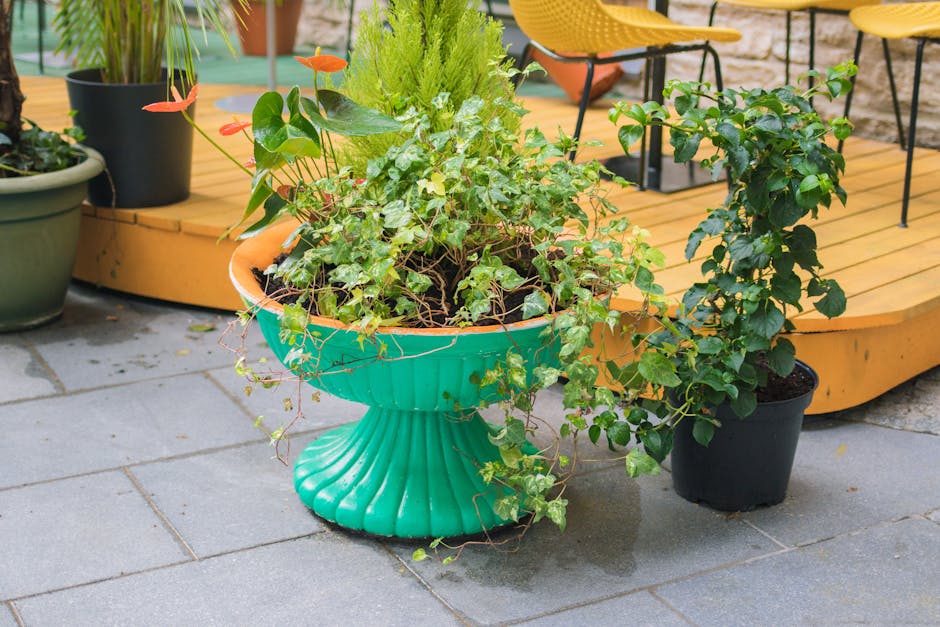
If you are trying to green up a roof terrace near Carshalton High Street, the planter choice matters more than most people first think. The wrong pot can be too heavy, too brittle, or simply awkward to move once the rain starts and the wind picks up. The right one, though, makes everything feel easier: less strain on the structure, better plant health, and a terrace that actually works day to day. This guide on Carshalton High Street roof terrace gardeners lightweight planter picks covers what to choose, why it matters, and how to avoid the expensive mistakes that creep in when a terrace looks lovely on paper but does not behave in real life.
You will find practical recommendations, a simple selection process, and a few real-world pointers that are especially useful if your space is exposed, compact, or shared. Let's face it, roof terraces can be brilliant and a bit fussy all at once.
Why Carshalton High Street roof terrace gardeners lightweight planter picks Matters
Roof terraces are different from ground-level gardens in all the ways that matter. Weight is the obvious one, but not the only one. Water drains differently, wind is harsher, and every object you place up there has to earn its keep. A planter that feels fine on a patio can become a problem on a roof terrace once it is filled with compost and watered properly. That is where lightweight planter picks come in.
For gardeners working on or around Carshalton High Street, there is also the practical reality of older buildings, shared access, narrow stairways, and awkward carrying routes. A huge ceramic pot may look stunning, but if it takes two people, a trolley, and half a morning to move, you may find yourself avoiding useful changes later. And nobody wants that.
There is a structural side too. Even when a building can support a roof terrace, you still want to manage load sensibly and avoid concentrating too much weight in one corner. Lightweight planters help spread risk more gently, especially if you are combining seating, screens, and planting in a compact space. In other words: they are not just about convenience, they are about making the whole terrace behave better.
Another reason this matters is plant survival. Rooftop spaces tend to dry out faster. If a planter is lightweight because it uses modern materials rather than a flimsy thin shell, it can still support healthy root growth, insulation, and sensible drainage. That balance is the sweet spot.
How Carshalton High Street roof terrace gardeners lightweight planter picks Works
The basic idea is simple: choose containers that reduce dead weight without compromising stability, drainage, or durability. But the real decision happens in layers.
First, you look at the terrace itself. Is the floor membrane sensitive? Are there any known load limits? Is the surface smooth, tiled, timber decked, or a mix? A lighter planter is helpful, but you still need to place it sensibly and avoid stacking all the heavier items in one spot. On rooftops, distribution matters just as much as total weight.
Second, you think about the material. Lightweight does not mean cheap-looking or weak. Many modern planters use fibreglass, recycled plastic, polymer blends, aluminium, or thin-walled composite construction to cut weight while keeping decent rigidity. Some people still love terracotta or stone, but on a terrace those are often best used sparingly, or as accent pieces rather than the main workhorses.
Third, you match planter size to planting style. A tall, narrow planter might be light enough empty but unstable when planted with tall grasses. A broad, shallow trough may be easy to handle but could dry out quickly. The shape of the planter affects the plant's root environment, the visual line of the terrace, and how often you will be watering. Small detail, big difference.
Finally, you factor in maintenance. Can you move it if you need to clean behind it? Can the base take wheeled movement, or would that damage waterproofing? Are you going to use a liner or a built-in reservoir? A good lightweight planter choice should feel manageable not just on day one, but six months into a wet, windy season when everything is a bit more annoying than it was in spring.
Key Benefits and Practical Advantages
The appeal of lightweight planter picks is not just that they are easier to carry. They solve several real problems at once.
- Lower structural stress: lighter containers help reduce unnecessary load on roof terraces, balconies, and decked surfaces.
- Easier repositioning: if the sun moves or the terrace layout changes, you can adjust the arrangement without a major upheaval.
- Less disruption during maintenance: cleaning, inspections, and seasonal refreshes become much simpler.
- Better design flexibility: you can use more planters, or larger-looking forms, without the same weight penalty as stone or concrete.
- Improved plant management: lighter modular containers make it easier to isolate thirsty plants, replace tired soil, or swap seasonal displays.
There is also a quieter advantage: confidence. When a terrace feels carefully planned, you use it more. People sit out for breakfast, water the herbs in the evening, and actually enjoy the space instead of worrying about whether the pots are too big, too heavy, or just a bit too much. That emotional comfort counts. Honestly, it really does.
Expert summary: the best lightweight planter is not the lightest one you can buy. It is the one that stays stable, drains well, fits the planting plan, and can be moved or maintained without drama.
Who This Is For and When It Makes Sense
This topic is especially relevant if you are one of the following:
- a homeowner with a roof terrace who wants a greener, more private outdoor space
- a landlord or property manager trying to improve a terrace without loading it heavily
- a garden designer or gardener working on a compact urban rooftop near Carshalton High Street
- someone replacing bulky old containers with something safer and easier to live with
- a renter or flat owner who needs planting solutions that can be installed and adjusted with minimal fuss
It makes sense when you want greenery but do not want the weight, maintenance, and movement issues that come with heavier materials. It also makes sense if your terrace gets strong wind, because lightweight does not have to mean fragile, but it often does mean easier handling when conditions change. A planter that can be shifted by one person, or two without a sigh and a minor back complaint, is usually a good sign.
This approach is less suitable if your design depends on huge specimen trees, very large structural water features, or traditional materials for a very specific visual effect. In that case, you may still use lighter internal liners or hybrid builds, but you will need to think more carefully about engineering and load control.
Step-by-Step Guidance
1. Start with the terrace itself
Before you fall in love with a planter shape, look at the terrace conditions. Measure the available space, check drainage points, note where the strongest wind hits, and think about access. If you have ever tried to carry a full planter through a narrow doorway on a breezy afternoon, you know why this matters.
2. Decide what the planter needs to do
Is it for screening, herbs, pollinator planting, evergreen structure, or seasonal colour? A privacy planter needs height and stability. A herb planter needs easy access. A display planter may need to be more decorative. The job comes first, then the style.
3. Choose the lightest material that still suits the job
In many rooftop settings, fibreglass, quality recycled plastic, and composite planters are strong contenders. Aluminium can work well in modern schemes, especially where crisp lines suit the architecture. Thin concrete-look products can also be useful if they are specifically designed for roof applications and do not rely on heavy mass for stability.
4. Check base width and wind resistance
A planter can be deceptively light when empty and slightly alarming when planted tall. Wider bases tend to feel safer in exposed positions. If the planter is tall, consider whether it needs a heavier internal liner, a low centre of gravity, or grouped placement beside a wall or screen.
5. Build in drainage and root health
Drainage holes, raised feet, or a proper base layer help prevent waterlogging. On a roof terrace, soggy roots are rarely a good idea. Use a suitable growing medium, not just random soil from a bag. Lightweight planter picks work best when the planting system is also designed to stay light and healthy.
6. Plan for watering and maintenance
Some planters are easier to water because they are at a useful height. Others may need drip trays, irrigation lines, or a routine that does not rely on you remembering everything at 9pm after a long day. Be realistic. The best terrace is one you can actually maintain.
7. Arrange by weight and exposure
Put the larger or slightly heavier planters closest to structural support lines or against solid edges where appropriate, and use lighter decorative pieces elsewhere. Do not create a heavy island in the middle of the terrace unless the design and structure have been checked.
Expert Tips for Better Results
In our experience, the best roof terrace planting schemes are the ones that look calm, not crowded. A few strong planters usually work better than a dozen tiny ones fighting each other for attention. You can always add detail later.
Use liners thoughtfully. A lightweight planter can become much heavier once filled with wet compost. That is normal, but it means the final weight matters more than the empty shell. Liners can also help reduce the amount of growing medium needed, which is handy for large decorative forms.
Group plants with similar watering needs. One planter holding drought-tolerant grasses and another full of thirstier herbs can become a small headache. It sounds obvious, yet people still do it all the time.
Pick shapes that fit the view from inside. Roof terraces are often seen through doors, windows, or from living spaces. A planter should look good from inside the flat too, not just from the chair next to it.
Mind the wind tunnel effect. Between buildings, air can move faster than you expect. A tall planter in a sheltered courtyard may be perfectly fine, while the same planter on a corner roof gets pushed around by gusts.
Think seasonally. What looks perfect in July can feel awkward in January. Winter structure matters. Evergreen texture, bark, upright grasses, and tough perennial forms help the terrace look intentional all year.
And a small one, but useful: if you can lift it empty with one hand and full with two, that is often a very workable size for rooftop use. Not always. But often.
Common Mistakes to Avoid
- Choosing by looks alone: beautiful heavyweight planters can cause practical problems if you ignore load and handling.
- Ignoring the filled weight: empty weight is only half the story. Wet compost, drainage layers, and mature plants all add up.
- Using flimsy materials: lightweight should still mean durable enough for sun, frost, and regular use.
- Overcrowding the terrace: too many planters can make maintenance harder and reduce usable space.
- Forgetting wind stability: a tall planter can tip if it is too narrow or poorly positioned.
- Placing everything directly against walls: you still need access for cleaning, checking damp, and general upkeep.
- Neglecting drainage: no plant enjoys sitting in water, especially not on a roof where moisture management is already important.
The biggest mistake, if we are being honest, is treating a roof terrace like a ground-level border with a different view. It is not. It is a distinct environment. Once you respect that, your planter choices get a lot better very quickly.
Tools, Resources and Recommendations
You do not need a warehouse of equipment, but a few sensible tools make lightweight planter projects smoother.
- Measuring tape: for checking planter footprints, access routes, and terrace dimensions.
- Weighing scale or manufacturer specs: useful when comparing empty container weights.
- Wheel dolly or furniture mover: helpful for repositioning medium planters without strain.
- Quality compost or growing medium: choose something suited to container planting and the species you want to grow.
- Watering can or hose attachment: rooftop planting usually needs regular watering, especially in warm spells.
- Gloves and pruning tools: basic, but they keep maintenance pleasant enough.
For service planning, it can also help to explore broader support pages such as services overview, garden maintenance, and landscape gardening if your rooftop scheme is part of a bigger outdoor refresh. If the project has an element of clearing old containers or a tired layout first, garden clearance can be a sensible starting point. For safety, it is also worth understanding the approach set out on the health and safety policy and insurance and safety pages.
That last bit may sound dry, but on a roof terrace, dry details can save very wet problems. Funny how that works.
Law, Compliance, Standards, or Best Practice
Any roof terrace project should be approached with care. While the exact requirements depend on the property, the building type, and whether you are a homeowner, landlord, or managing agent, the general best practice is straightforward: do not overload the structure, do not block drainage, and do not interfere with waterproofing or access routes.
Where structural uncertainty exists, a qualified professional should be consulted before adding heavier elements such as large planters, screens, raised beds, or multiple water-filled containers. That is especially true if the terrace is old, recently altered, or part of a shared building. It is better to ask a slightly boring question early than to discover a costly issue later.
In practical terms, this means:
- using containers appropriate for rooftop conditions
- keeping plant arrangements movable where possible
- checking for drainage and standing water after heavy rain
- avoiding concentrated loading in one small area
- keeping walkways and exits clear
If the work is part of a larger landscaping project, the guidance in landscaping and recycling and sustainability can also support better material choices and a more responsible approach to replacements and waste.
Options, Methods, or Comparison Table
Below is a simple comparison of common planter types used on roof terraces. The right choice depends on the look you want, the plants you are growing, and how much movement or maintenance you expect.
| Planter type | Weight profile | Best for | Watch-outs |
|---|---|---|---|
| Fibreglass | Very light to moderate | Modern terraces, flexible layouts, easy handling | Can vary in quality; cheap versions may feel thin |
| Recycled plastic | Light | Budget-conscious planting, repeated repositioning | May be less visually refined in some designs |
| Composite / polymer blend | Light to moderate | Balance of appearance and practicality | Check durability and UV resistance |
| Aluminium | Light to moderate | Clean lines, architectural settings | Can heat up in strong sun if unlined |
| Concrete-look lightweight planter | Moderate | Stone-style appearance without full mass | Confirm the actual construction, not just the finish |
| Terracotta or stone | Heavy | Accent pieces, sheltered zones, very specific design styles | Usually less suitable as the main rooftop workhorse |
If you are weighing design against practicality, a hybrid approach often works best. Use lightweight planters for the main structure and reserve one or two heavier pieces for visual anchor points, assuming the space and structure allow it. That way the terrace keeps its character without becoming awkward.
Case Study or Real-World Example
A fairly typical local scenario looks like this: a small roof terrace above a flat near Carshalton High Street, with a neat but underused space, a bit of wind exposure, and a desire for privacy from nearby buildings. The original idea was to use several large ceramic pots, because they looked lovely in photos. Gorgeous, yes. Practical, not so much.
Instead, the planting plan shifted to a mix of lightweight rectangular planters and two deeper troughs, each chosen for easy movement and stable placement against a sheltered edge. The more exposed side got sturdier evergreen structure and grasses. The sunnier side carried herbs and pollinator-friendly plants. A few taller planters were used to break sightlines without making the terrace feel boxed in.
What changed most was not only the appearance but the feel of the space. The planters could be moved for cleaning and seasonal refreshes, watering was simpler, and the owner stopped worrying about whether each piece was "too much" for the terrace. It became usable. Which, to be fair, is the whole point.
That kind of result is very common. Once the planter weight and layout are sorted, the rest of the design can breathe a bit.
Practical Checklist
Use this quick checklist before buying or installing your terrace planters:
- Have you checked the available space and access route?
- Do you know where the wind is strongest?
- Have you considered the filled weight, not just the empty weight?
- Are the planters suitable for rooftop exposure and frost?
- Do they have proper drainage?
- Will the planter shape suit the plant's root system?
- Can you move or adjust the planter if needed?
- Have you kept clear walkways and maintenance access?
- Does the planting scheme match the amount of sun the terrace gets?
- Have you planned watering and seasonal maintenance?
If you can tick most of those off, you are in a much better place than someone choosing purely on looks. And no shame if the first round was a bit guessy. Most good terraces are built through a couple of corrections.
Conclusion
Carshalton High Street roof terrace gardeners lightweight planter picks are really about getting the balance right: light enough to handle, strong enough to trust, attractive enough to enjoy, and practical enough to live with through changing weather. That is the sweet spot. Not perfect, just properly thought through.
If you plan carefully, your terrace can feel calmer, greener, and easier to maintain without turning into a constant project. Start with the structure, choose materials that suit the job, and keep the design simple enough to manage. A good roof terrace should work on a wet Tuesday in October as well as it does on a bright Saturday in June.
Get a free quote today and see how much you can save.
And if all you take away is this: lighter, smarter planters usually make roof terraces more enjoyable, not less. That little bit of ease changes everything.
Frequently Asked Questions
What are lightweight planters best for on a roof terrace?
They are best for reducing unnecessary load, making repositioning easier, and creating a more flexible layout. On a roof terrace, that practicality matters as much as the look.
Are lightweight planters strong enough for outdoor use?
Yes, if you choose a quality product made for exterior conditions. Look for UV resistance, frost tolerance, and solid construction rather than just a low weight figure.
Which material is usually best for rooftop planter use?
Fibreglass, composite materials, recycled plastic, and aluminium often work well. The best choice depends on the style of the terrace, the plant type, and how often you need to move the planter.
Do I need to worry about the weight of compost too?
Absolutely. Filled weight is what matters in practice. Wet compost, drainage layers, and mature planting can add up faster than people expect.
Can I use large planters on a roof terrace?
You can, but only if the structure can support them and the layout is sensible. Large does not automatically mean unsuitable, but it does mean you should think carefully about loading and access.
How do I stop lightweight planters from blowing over?
Choose a wider base, place them in more sheltered positions where possible, and avoid overly tall planting in a narrow container. Grouping planters together can also help increase stability.
What plants work best in lightweight terrace planters?
Herbs, grasses, compact shrubs, climbers with support, and many perennials work well. The best choice depends on sunlight, wind, and how much watering you are prepared to do.
Are lightweight planters harder to keep moist?
They can be, especially if they are shallow or exposed to wind and sun. Using the right growing medium, mulching, and a sensible watering routine helps a lot.
Should I avoid terracotta and stone altogether?
Not necessarily. They can be lovely as accent pieces, but they are usually better used sparingly on roof terraces where weight and movement are concerns.
What is the biggest mistake people make with rooftop planters?
Choosing on appearance alone. A planter can look beautiful and still be awkward, too heavy, or unsuitable for wind and drainage. The practical side needs to win the argument, just a bit.
Do I need professional advice before adding planters to a roof terrace?
If you are adding substantial weight, changing the layout significantly, or unsure about structure and waterproofing, yes, it is sensible to seek professional advice. Better safe than sorry, especially on a roof.
Where can I get help with terrace planting and upkeep locally?
For broader support with outdoor spaces, you may want to look at garden maintenance, pricing and quotes, or the company's about us page to understand the service approach before you decide on next steps.